Product Name
Bisphenol A glycerolate dimethacrylate, 80%
Molecular Formula
C29H36O8
Certificate of Analysis (COA)
Synonyms
2,2-Bih4-(2-hydroxy-3-methacryloxtpropoxy)phenylpropane
Product Introduction
Bisphenol A Glycerolate Dimethacrylate (Bis-GMA) is a high-molecular-weight, bifunctional methacrylate monomer widely investigated for crosslinked polymer and resin systems.
The molecule contains two methacrylate groups that can undergo free-radical polymerization, together with hydroxyl-containing side chains and a rigid bisphenol A-derived aromatic backbone. This structure contributes to the formation of crosslinked polymer networks with high rigidity and is particularly important in resin-based dental materials.
Bis-GMA is widely associated with dental composite and dental sealant formulations and is also investigated in UV-curable coatings, adhesives, polymer composites, and functional resin systems.
Mechanism / Principle
Bis-GMA undergoes free-radical polymerization through its two methacrylate double bonds.
When exposed to an appropriate radical initiator or photoinitiator system, the carbon–carbon double bonds of the methacrylate groups react to form growing polymer chains. Because Bis-GMA contains two polymerizable groups, it can contribute to the formation of a three-dimensional crosslinked polymer network.
In dental resin systems, Bis-GMA is commonly combined with other monomers such as TEGDMA, together with photoinitiators, fillers, and other formulation components. The resulting network can be evaluated for degree of conversion, mechanical properties, polymerization shrinkage, water interaction, and long-term stability.
Key Research Applications
1. Dental Resin Composites
Bis-GMA is an important resin monomer for research and formulation of resin-based dental composites. Its rigid aromatic structure and two methacrylate groups make it suitable for developing crosslinked dental resin matrices used with inorganic fillers.
2. Dental Adhesives and Bonding Systems
Bis-GMA can be incorporated into dental adhesive and bonding formulations to develop polymerizable resin systems for bonding research. Its bifunctional structure enables formation of crosslinked polymer networks after curing.
3. Dental Restorative Materials
Bis-GMA is widely investigated as a resin component in restorative dental materials, including composite restorative systems and related light-curable formulations. Researchers can study its influence on polymerization, mechanical properties, shrinkage, and durability.
4. Dental Sealants
Bis-GMA is relevant to the development and investigation of resin-based dental sealants. Its polymerizable methacrylate groups allow it to participate in light- or chemically initiated curing systems.
5. Photopolymerizable Dental Materials
Bis-GMA can be combined with suitable photoinitiators to formulate light-curable dental resin systems. Research may focus on curing efficiency, degree of conversion, polymerization kinetics, and the relationship between formulation composition and final material properties.
6. Crosslinked Polymer Materials
The two methacrylate groups allow Bis-GMA to participate in crosslinking and network formation. It can therefore be used in polymer research investigating network structure, mechanical performance, thermal properties, and dimensional stability.
7. UV-Curable Coatings and Adhesives
Bis-GMA can be investigated in UV-curable resin systems for coatings, adhesives, and other functional polymer formulations. Its multifunctional methacrylate structure supports rapid radiation-induced polymerization and network formation.
Advantages
- Bifunctional methacrylate structure: Provides two polymerizable methacrylate groups for crosslinked network formation.
- Rigid aromatic backbone: Contributes to the structural characteristics of resulting polymer networks.
- Key dental resin monomer: Widely relevant to dental composites, adhesives, restorative materials, and sealants.
- Crosslinking capability: Supports development of highly crosslinked polymer systems.
- Broad formulation compatibility: Can be combined with other methacrylate monomers, photoinitiators, fillers, and additives.
- Versatile material applications: Relevant to dental materials, polymer composites, adhesives, and UV-curable coatings.
- Commercially available stabilized grades: Bis-GMA is commonly supplied as an isomer mixture stabilized with MEHQ.
Storage & Handling
- Store in a refrigerated, cool, and dark environment according to the supplier's recommended conditions.
- TCI recommends storage at 0–10 °C and under inert gas.
- Protect from heat, direct light, and conditions that may promote premature polymerization.
- Keep the container tightly closed when not in use.
- Bis-GMA is commonly stabilized with MEHQ to improve storage stability.
- Avoid unnecessary contact with skin and eyes.
- Wear appropriate gloves, protective clothing, and eye protection during handling.
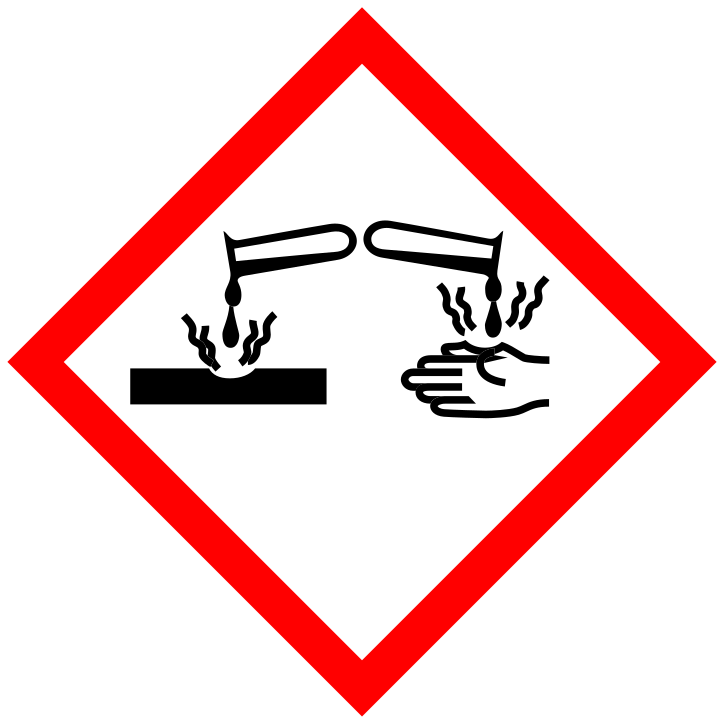
- TCI classifies the product as causing skin irritation, serious eye irritation, and potentially causing an allergic skin reaction.
Research Areas
This product can support research, formulation development, and material innovation across the following specific industries and research fields:
- Dental Materials – Dental resin composites, restorative materials, dental adhesives, bonding systems, and resin-based dental sealants.
- Dental Restorative Materials – Development and optimization of polymer-based materials for restorative dentistry.
- Polymer Materials – Crosslinked methacrylate polymers, polymer networks, resin systems, and structure–property studies.
- Adhesives & Sealants – Development of methacrylate-based adhesive and sealant formulations.
- UV-Curable Coatings – Radiation-curable coatings, protective coatings, and functional resin systems.
- Biomedical Materials – Research on functional polymeric materials and polymer-based material systems.
- Advanced Composite Materials – Polymer matrices, resin composites, and functional composite formulations.
Q1. What is Bisphenol A Glycerolate Dimethacrylate?
Bisphenol A Glycerolate Dimethacrylate, commonly known as Bis-GMA, is a bifunctional methacrylate monomer widely used in dental resin and polymer-material research.
Q2. What are the main applications of Bis-GMA?
Bis-GMA is mainly used in research involving dental resin composites, dental adhesives, restorative materials, sealants, crosslinked polymers, adhesives, and UV-curable coatings.
Q3. Is Bis-GMA used in dental materials?
Yes. Bis-GMA is an important resin monomer investigated for dental composites, restorative materials, dental adhesives, and resin-based sealants.
Q4. Why is Bis-GMA important for dental resin research?
Its two methacrylate groups allow polymerization and crosslinked network formation, while its rigid aromatic structure contributes to the properties of the resulting resin matrix.
Q5. Is Bis-GMA a monomer or polymer?
Bis-GMA is a bifunctional methacrylate monomer. It can polymerize and form crosslinked polymer networks.
Q6. Is commercial Bis-GMA a single isomer?
Commercial Bis-GMA products may be supplied as a mixture of isomers. TCI specifically lists its product as Bisphenol A Glycerolate Dimethacrylate (mixture of isomers), stabilized with MEHQ.
Q7. How should Bis-GMA be stored?
Store Bis-GMA in a cool, dark environment according to the supplier's SDS. TCI recommends refrigerated storage at 0–10 °C under inert gas.